 BUY NOW, PAY LATER
 CANADA-WIDE SHIPPING
 LIMITED TIME DEAL & SALE











March of Dimes Funding
Home and Vehicle Modification Program (HVMP)
March of Dimes Funding Program
The March of Dimes Home and Vehicle Modification Program (HVMP) provides financial assistance to individuals with disabilities, helping them access home and vehicle modifications that improve mobility and independence. Funding is based on eligibility, need, and available resources.
Key Notes:
- Funding is not guaranteed and depends on eligibility and available funds.
- Costs incurred before program approval will not be reimbursed.
- Applications are prioritized based on assessed needs.
Application Types
- Home Adaptations and Devices
- Home Modifications (Construction)
- Vehicle Modifications
1. Home Adaptations & Devices
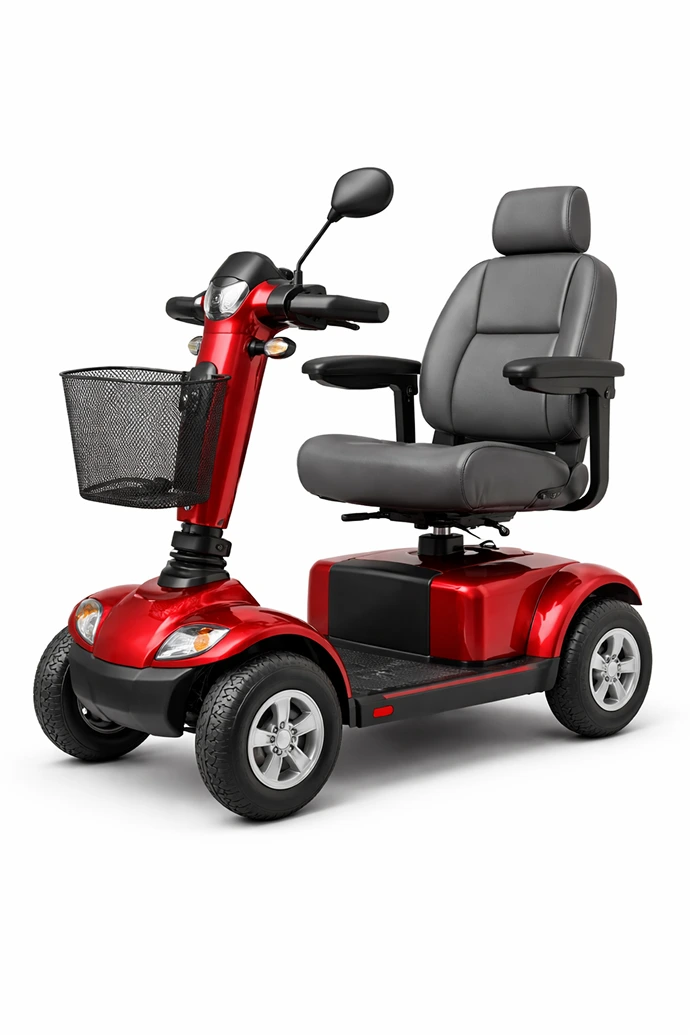
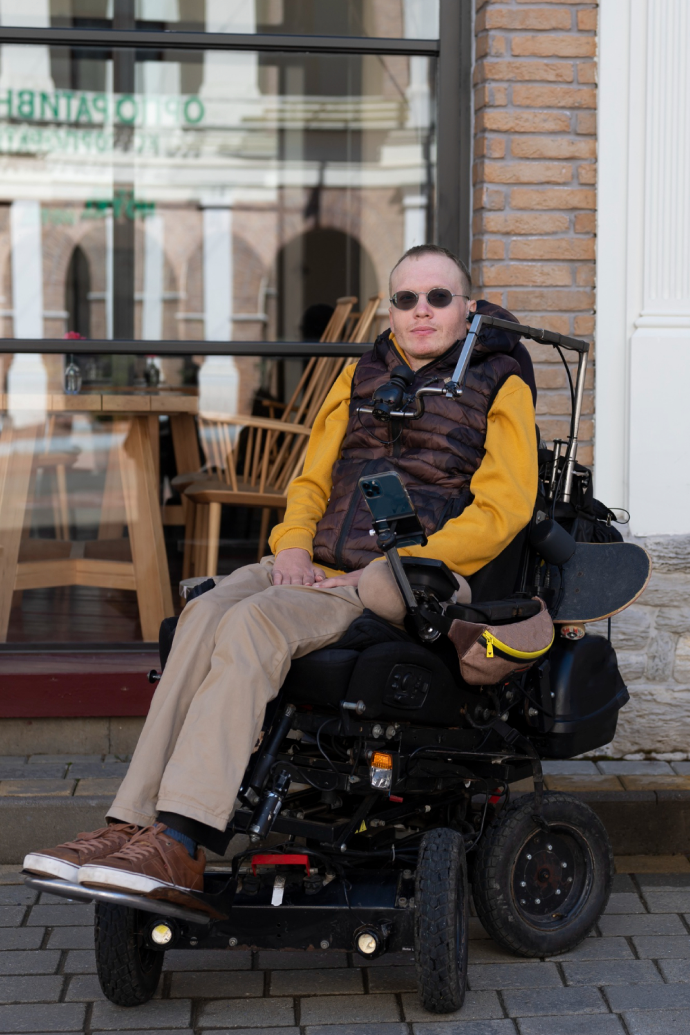
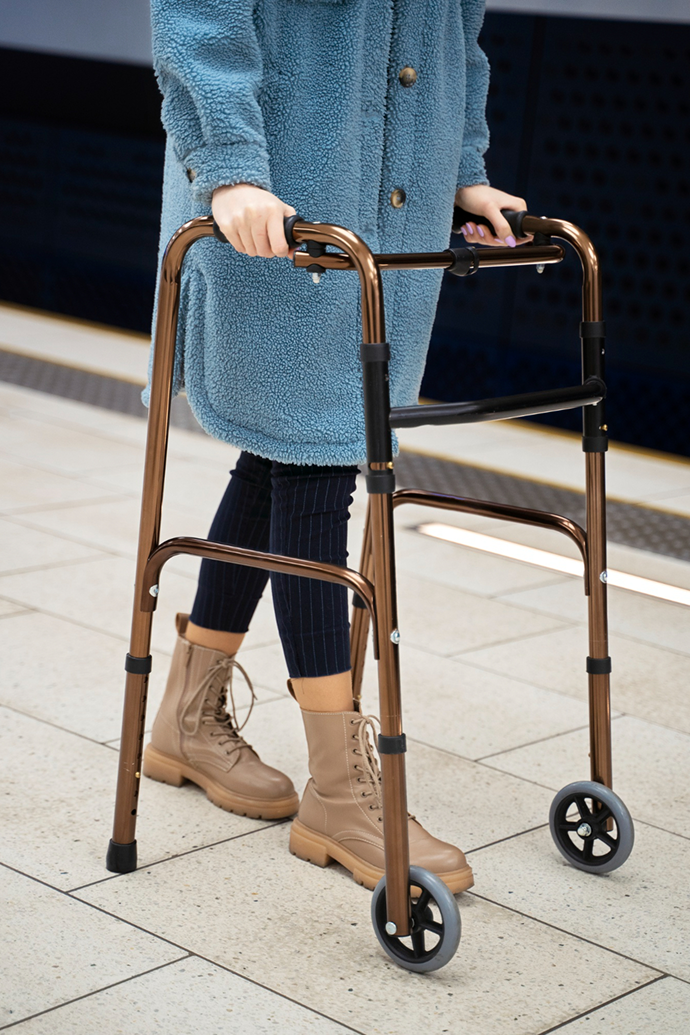
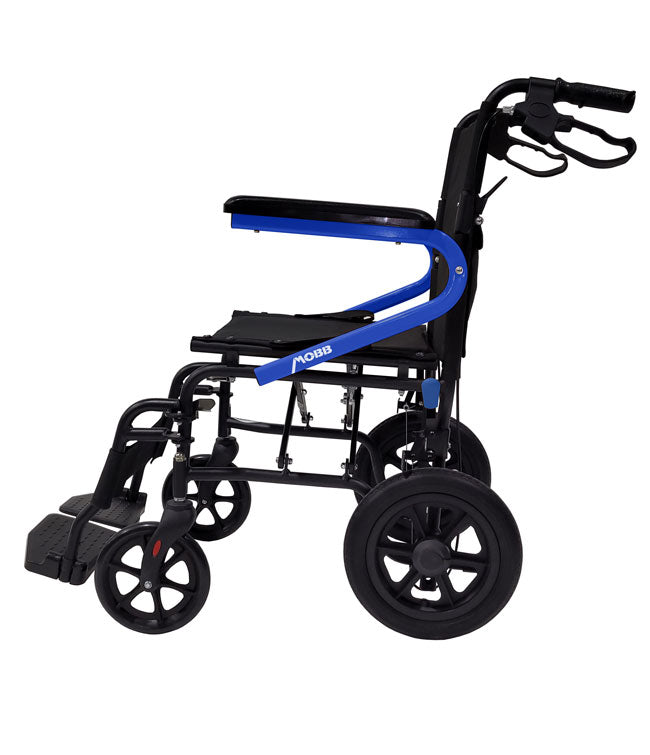
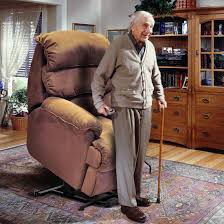
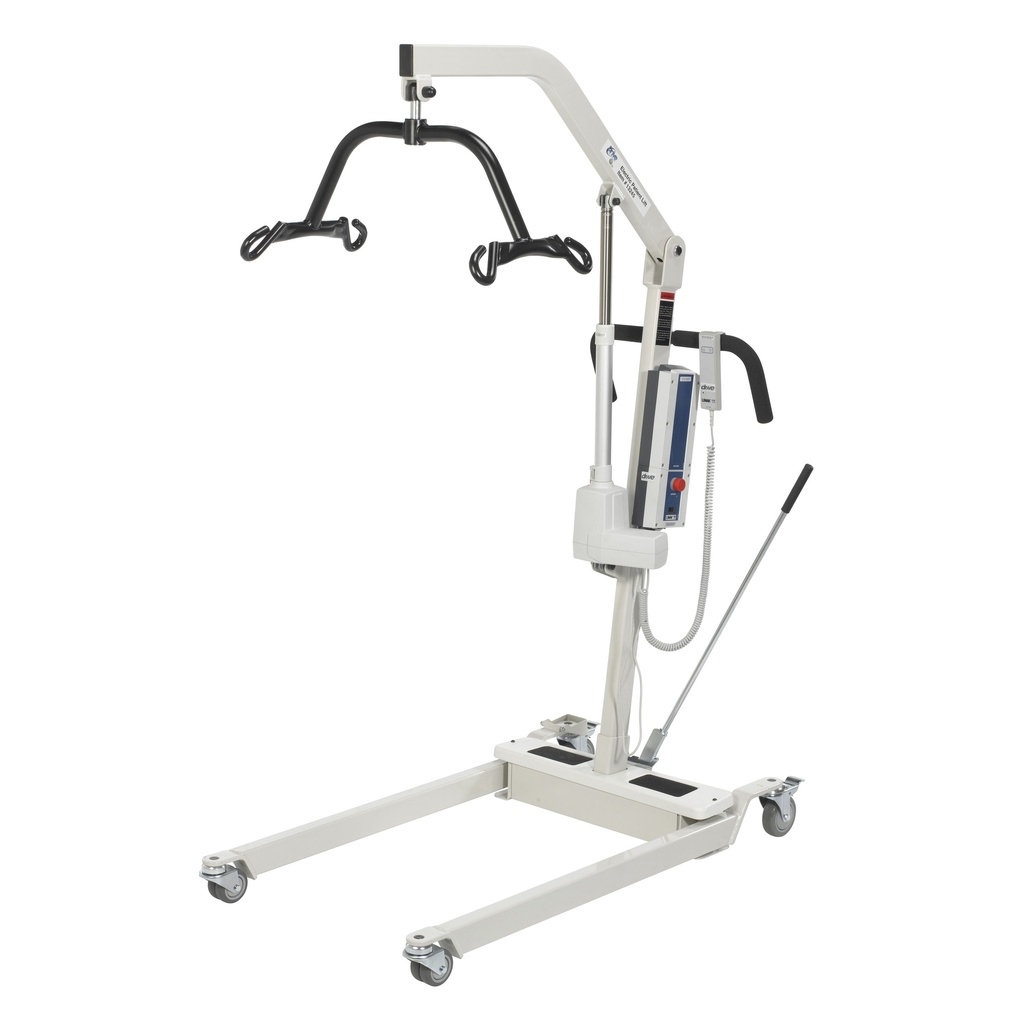
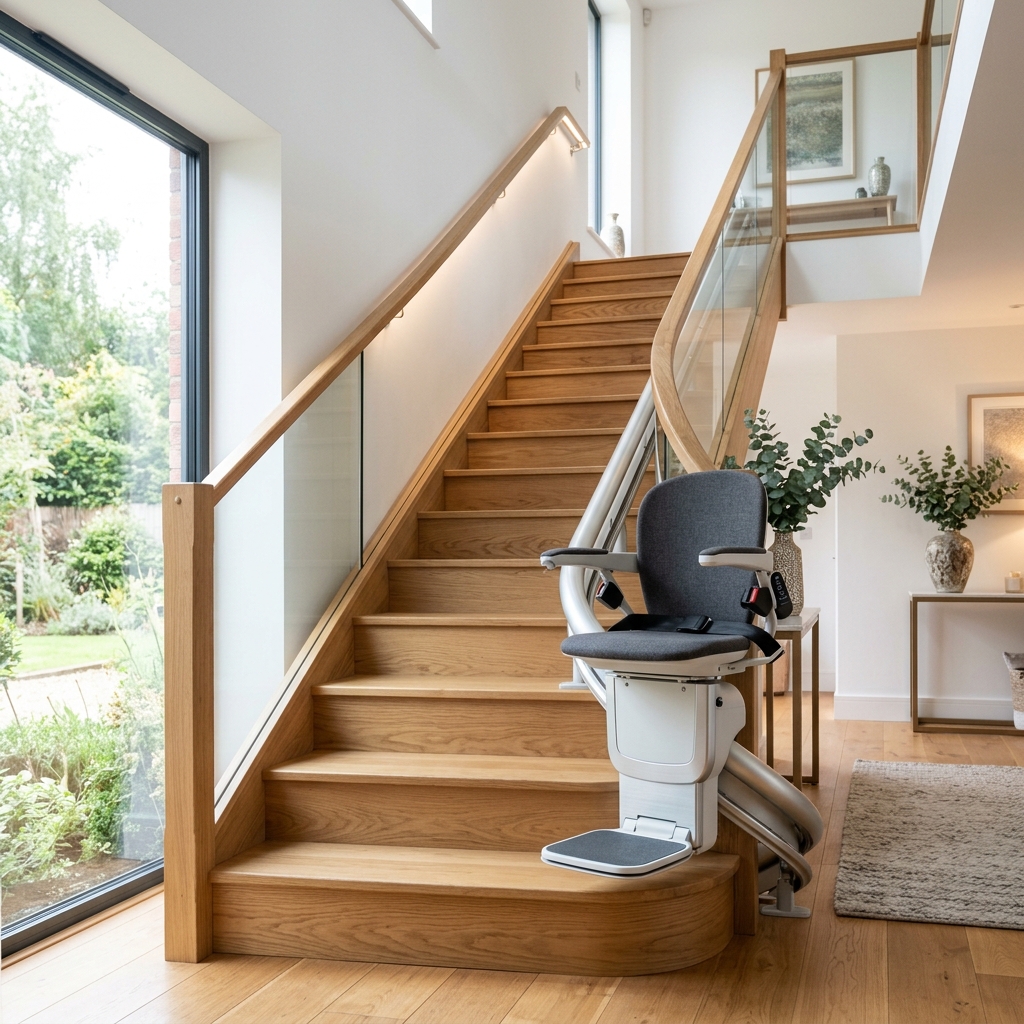
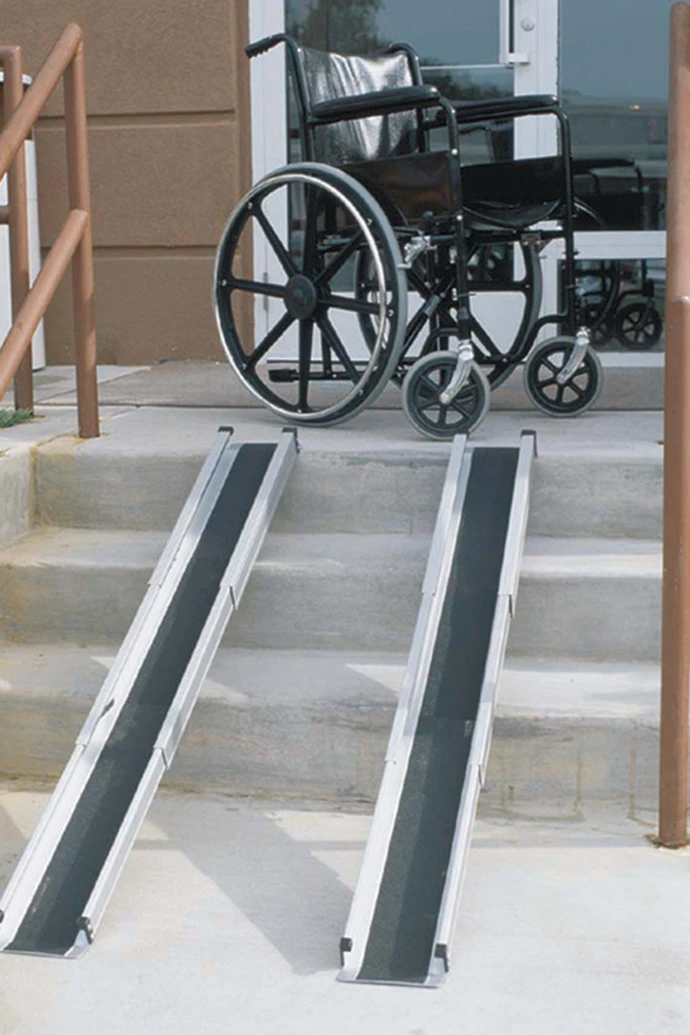
Eligible: Mobility aids, modular ramps, stairlifts, ceiling track lifts, tub cut-outs, and repairs.
Ineligible: Concrete ramps, hospital beds, walk-in tubs, household appliances.
2. Home Modifications (Construction)
Eligible: Door widening, sliding doors, kitchen adaptations, accessibility-focused bathroom renovations.
Ineligible: Cosmetic upgrades, additional rooms, walk-in tubs, newly built homes.
Funding Criteria
Detailed guidelines, eligibility criteria, and application forms
HVMP – How to Apply
After you have reviewed the eligibility criteria, you can submit your completed and signed application with supporting documents to the Home and Vehicle Modification Program. Incomplete applications packages will not be processed for funding. One attempt will be made to secure missing information.
Download Applications
Each application type is available below in regular and large print, as well as in French (PAHV – Programme d’adaptation des habitations et des véhicules).
To Apply for Devices and Adaptation:
To Apply for Construction / Structural Home Modification:
To Apply for Vehicle Modifications, Adaptations and Devices:
Verification of Disability:
Please download, print and fill out the following Verification of Disability Form.
Mailing Address:
March of Dimes Canada595 Bradley Ave, Unit 202
London, ON N6E 3Z8
Email: hvmp@marchofdimes.ca
Fax: 519-432-4923
We understand each person’s situation is unique.
If you have questions about the Application forms, please call us before you apply.
HVMP – Eligibility Criteria
An eligible Applicant must:
- Be a permanent Ontario Resident. Temporary residents and visitors (e.g. tourists, students, foreign workers on a work permit, etc.) are not eligible.
-
Be in financial need (annual combined income under $60,000):
- Under 18: The Applicant’s Parent(s)/Guardian(s)’ combined income.
- Over 18: The Applicant and Applicant’s Spouse/Life Partner’s combined income.
- Applicants with an annual combined income over $35,000 are required to contribute towards the cost of the modification(s).
- Have a permanent ongoing or recurring disability that impedes mobility and results in substantial restrictions in activities of daily living (eating, bathing, toileting, transferring, and mobility) and/or getting in and out of your home to access essential medical care or community services.
- For Construction Projects Only: Be a homeowner who meets the program eligibility criteria applying for a modification to their home, or be a homeowner applying for a modification on behalf of an eligible family member (requires written consent).
The HVMP provides funding for basic and essential solutions directly addressing physical barriers within a home explicitly related to an applicant’s disability and current mobility restrictions as recommended by an Occupational Therapist.
Finding an Occupational Therapist (OT):
Ask your family doctor or contact Ontario Health at Home at 310-2222 (no area code required) to recommend publicly funded OT services in your community. You can also find more information online at: https://otontario.ca/find-an-ot/.
HVMP – FAQ and Resources
To help you better understand the program application process, required documents, and guidelines, please review the Frequently Asked Questions resource PDF below. Taking the time to read this information before applying will expedite your request and ensure that you haven’t overlooked anything that could delay your application.
Need clarification on these documents?
416-474-4830Low-Cost & No-Cost Home Modifications
For Seniors and People with a Disability
Our needs and abilities can change as we age, making our homes less accessible. If you are getting older or have a disability, you may want to make some modifications to your home.
The Canada Mortgage and Housing Corporation, with contributions from March of Dimes Canada, has identified over 50 low-cost or no-cost modifications to make your home more accessible. These simple modifications can improve safety and accessibility for everyone.
How to Make Your Home Safe, Comfortable and Accessible
- Paint the threshold to your house in a contrasting colour as a visual signal to anyone with impaired vision.
- Remove the storm or screen doors to make it easier for someone with arthritis or limited upper body-strength to enter your home.
- Add a doorknob gripper or install a levered handle that can be opened without having to grip or twist the knob too tightly.
- Use swing-away hinges to gain an extra few inches of clearance for a wheelchair or walker.
- Place a bench at the entrance where people can set heavy items or sit down while putting on their shoes.
- Remove any unnecessary doors from around the inside your home, so someone using a walker or wheelchair can move around more freely.
- Install a peephole in your front door for extra safety and peace of mind.
- Remove any clutter or obstacles from the hallways and main rooms.
- Place your furniture to create a clear path of travel throughout your home, with extra manoeuvring space at doorways and the ends of halls.
- Secure or remove any area rugs that someone could trip over.
- Paint floors or doorways between rooms in different colours, to help people with a visual impairment or dementia find their way around.
- Install low-level transition strips between any changes in height or level, or use different floor textures between rooms and at the edges of hallways.
- Get a power bar and cable organizer to keep your television, telephone and other cords safely stored where they can’t trip anyone walking by.
- Place the television where it will have the least amount of glare.
- Put corner guards on the sharp edges of tables, chairs and other furniture.
- Place elevated risers under beds or chairs to help anyone who has trouble sitting or rising from a seated position.
- Place a gate at the top of the stairs to protect seniors and small children.
- Install a safety nosing or coloured strips between the treads and risers to make the edges of each step clearly visible.
- Add a small bench or chair on the landing where people can rest or catch their breath.
- Install a decorative post or finial at the beginnings and ends of railings to signal that the stairs are about to end.
- Use strip lighting to make the stairs easier to see and help prevent falls.
- Choose slip-resistant flooring or put a slip-resistant coating over any tiles—available at most hardware stores.
- Install easy-grip D-handles on cabinets and drawers.
- Reverse the swing on the refrigerator door if the access would be easier.
- Get a pot stabilizer to keep pots from spinning while they are being stirred and a kettle tipper to fill or pour water from a kettle with minimal strain.
- Place an anti-fatigue mat on the floor in the prep and cooking areas to make it more comfortable to stand for long periods of time.
- Add a shelf between the counter and upper cabinets for accessible storage.
- Install a shallow sink basin that can be used while standing or seated.
- Use a folding, wall-mounted or Murphy bed-style table or counter to create more space for someone using a walker or wheelchair.
- Label your taps “hot” and “cold” if you have small children or if anyone in your home gets easily confused.
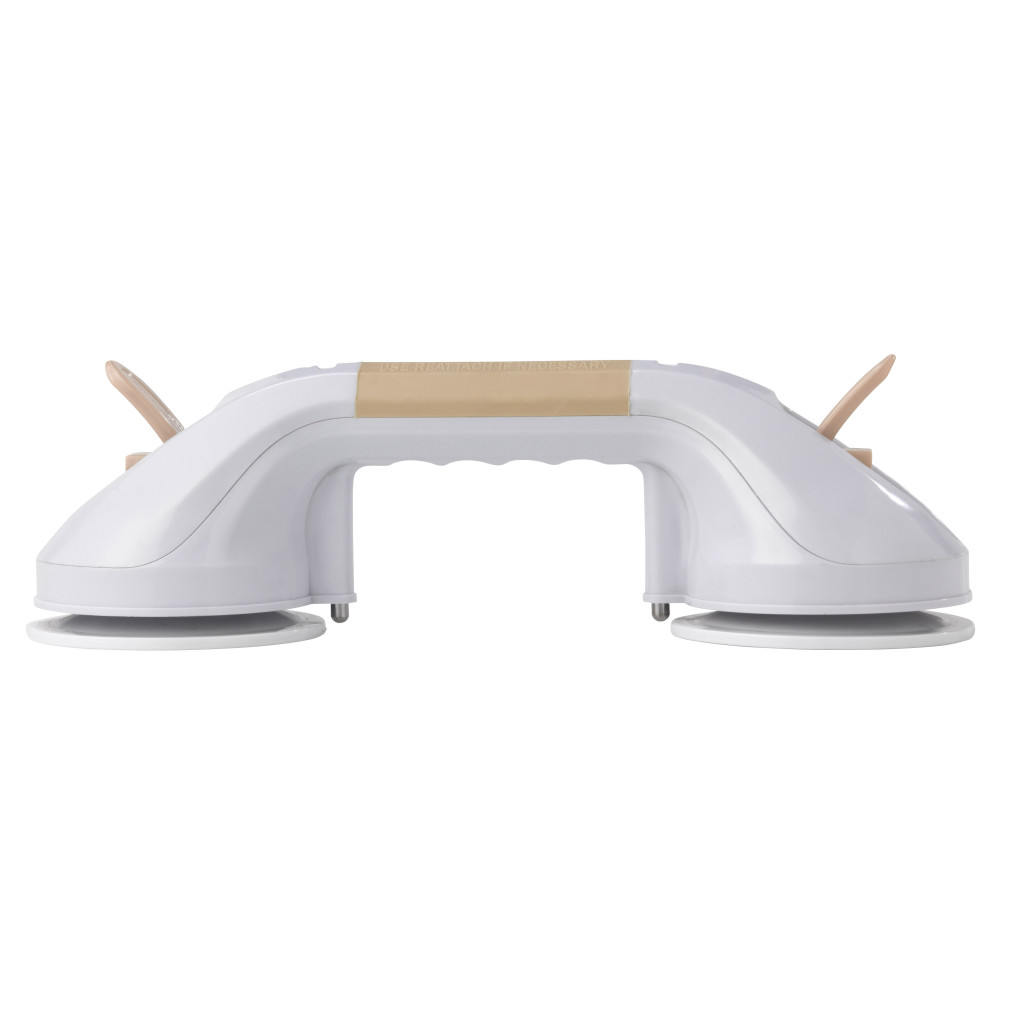
- Add a safety mat and grab bars in the tub.
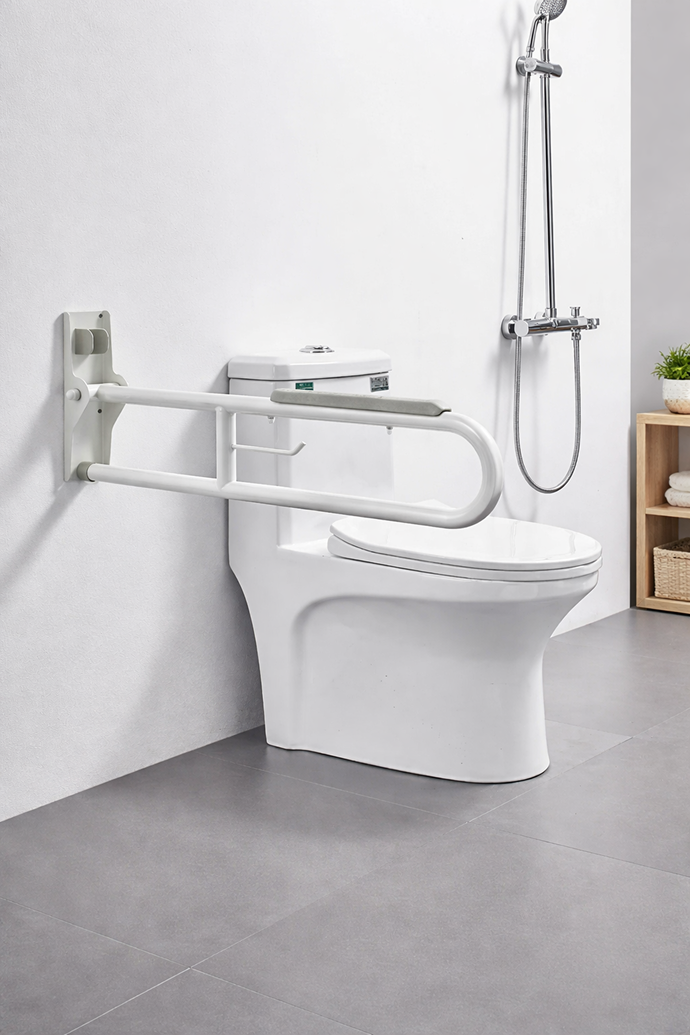
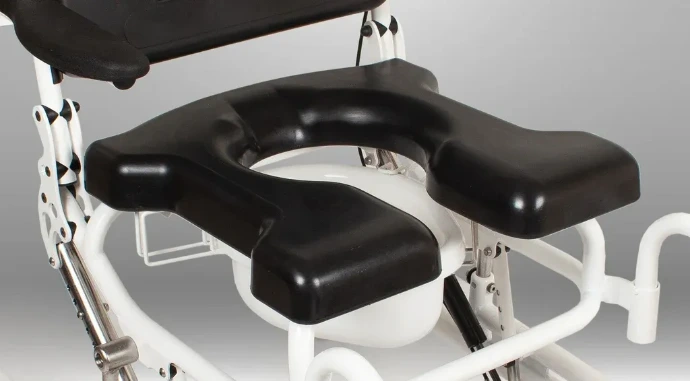
- Get a raised toilet seat and add a bath seat in the shower to help people who have trouble getting into or out of a seated position.
- Install D-handles on the cabinets and drawers to make them easier to open.
- Get an accordion-style mirror for anyone with a visual impairment.
- Use slip-resistant flooring or coating on the tiles.
- Install a shallow sink that can be used in both standing and seated positions.
- Use a medication organizer to make sure the proper doses are taken.
- Purchase a water alarm to alert you if the tub or sink is overflowing.
- Add stickers or marks on the washer and dryer settings to make them easier to see, or as a reminder for someone with memory issues or dementia.
- Use detergent dispensers that don’t have to be lifted off the shelf.
- Use a wheeled laundry cart to eliminate any heavy lifting.
- Add extra lamps throughout your home, and use task lighting to help seniors or someone with a visual impairment see what they’re doing.
- Choose light switches in a contrasting colour to make them easier to find.
- Use a night light to help prevent falls or confusion.
- Install a motion detector to make it easier for anyone who has trouble using a light switch to turn the lights on.
- Use a timer to turn lights on or off automatically for added comfort and safety.
- Install motion-detecting lights at the entrance to your house to light your way home after dark and discourage would-be intruders.
- Lower the mailbox for easy access without stretching or straining.
- Add large, well-lit house numbers to make it easier to find your home.
- Use paint, LED strip lights or solar lamps to mark outdoor pathways and stairs and make them more visible at night.
- Use low-glare paint to identify important areas in your home or to make the transitions between different rooms and levels more visible.
- Make sure there’s a phone on every level of your home that can be reached without having to go up or down any stairs.
- Install a bed rail to help seniors or someone with a disability sit up, stand, change their position in bed or transfer to a chair or wheelchair.
- Reduce or eliminate the number of toxic chemicals you use in your home.
- Install smoke and carbon monoxide detectors on every level of your house, and test them regularly.
Other Home & Vehicle Modification Programs
The following is a list of alternative National and Provincial home and/or vehicle modification programs offered across Canada. We are not affiliated with or have any connection with these disability management and return to work programs, but provide these links for information on alternative resources.
** Please note that this document has not been updated recently, so some links may no longer be active, but it still provides a long list of organizations and foundations that you may find helpful.
Additional Resources by Province:
British Columbia
- Home Adaptations for Independence (HAFI)
- Vancouver Foundation
Prince Edward Island
- Disability Support Program (Modifications to Home/Vehicle)